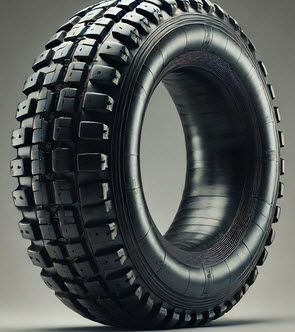
In the context of military logistics and operations, technology and innovation have long played pivotal roles in ensuring operational success. Often, when one considers military technology, thoughts might turn to advanced weaponry, armor systems, or state-of-the-art vehicles. However, there are simpler, often overlooked components that are critical to the smooth functioning of military operations. One such element is the military inner tube, a specialized type of rubber tube used in vehicle tires and waterborne operations. This article provides an in-depth analysis of military inner tubes, exploring their design, importance, and contribution to the overall effectiveness of armed forces worldwide.
History and Evolution of Military Inner Tubes
The development of inner tubes for military applications dates back to the early 20th century, when rubber technology saw significant advancements. During World War I, the mass mobilization of troops and the widespread use of vehicles necessitated the use of durable and reliable tires. Early tires were pneumatic, relying on inner tubes made of rubber to maintain air pressure and provide cushioning. The inner tube played a crucial role in ensuring that vehicles such as trucks, jeeps, and motorcycles could traverse rough terrains without frequent breakdowns. As military vehicles evolved, so too did the technology behind the inner tubes.
By World War II, the importance of inner tubes had become even more pronounced. Vehicles were tasked with crossing harsh environments, from deserts in North Africa to the cold, rugged terrain of the Eastern Front. Standard commercial inner tubes were often inadequate for the demands placed on military vehicles, leading to the development of more robust and durable tubes. These military-grade inner tubes were designed to withstand extreme temperatures, resist punctures, and support heavy loads.
As technology continued to advance post-World War II, the use of inner tubes in military vehicles gradually evolved. The development of tubeless tires in the 1950s and 1960s provided an alternative to traditional inner tube-based systems. However, inner tubes did not disappear entirely. They continued to be used in specialized military applications, including amphibious vehicles, aircraft, and certain heavy-duty transport vehicles.
Types of Military Inner Tubes
Military inner tubes differ significantly from their civilian counterparts due to the stringent demands of military operations. There are various types of inner tubes, each designed to meet specific operational needs. Below are some of the primary categories:
1. Vehicle Inner Tubes
The primary application of inner tubes in the military is within vehicle tires. Military vehicles such as trucks, armored personnel carriers (APCs), jeeps, and logistical transport vehicles rely heavily on inner tubes for performance, durability, and reliability. These tubes are often reinforced to withstand the harshest of conditions, including extreme temperature fluctuations, rough terrain, and the risk of puncture from sharp debris or shrapnel.
Vehicle inner tubes are designed to hold air pressure efficiently while being resistant to common threats like punctures, cuts, and chemical exposure. Common materials used in military vehicle inner tubes include:
- Butyl Rubber: Known for its air retention properties and resistance to environmental conditions, butyl rubber is commonly used in military inner tubes to offer prolonged durability.
- Neoprene: Offers exceptional resistance to oil, gasoline, and chemicals, making it ideal for military operations where such exposures are frequent.
2. Inflatable Raft and Boat Inner Tubes
In maritime military operations, inner tubes serve a crucial role in the construction of inflatable boats, rafts, and pontoons. These inner tubes are highly durable and capable of withstanding saltwater, UV radiation, and heavy loads. Inflatable military boats equipped with inner tubes are typically used for rapid deployment missions, amphibious assaults, or rescue operations. The use of inner tubes in these applications allows for ease of transportation and quick assembly in the field.
The durability of these tubes is paramount, as failure during an operation could endanger the lives of soldiers or lead to mission failure. These inner tubes are often made from materials such as:
- Hypalon: A synthetic rubber with exceptional resistance to chemicals, extreme temperatures, and UV degradation.
- PVC-coated fabric: Offers enhanced waterproofing and durability under harsh conditions.
3. Heavy-Duty Off-Road Inner Tubes
In military operations, vehicles must often traverse unforgiving terrains such as deserts, swamps, and mountains. For these applications, inner tubes are specially designed for off-road performance. Heavy-duty off-road inner tubes are thicker, reinforced, and engineered to provide superior resistance against rocks, tree branches, and sharp obstacles. These inner tubes also offer enhanced elasticity, allowing vehicles to traverse rough terrains without risking tire blowouts or failure.
The Importance of Inner Tubes in Military Logistics
Military operations demand an incredible degree of mobility, especially in combat situations where maneuverability is essential for success. The role of inner tubes in this context cannot be overstated. They ensure that military vehicles and watercraft are operational across a wide range of terrains and conditions, facilitating logistics, transportation, and combat efficiency. Here are some key factors that highlight the importance of military inner tubes:
1. Mobility and Readiness
Without functional tires or watercraft, military units would be severely limited in their capacity to engage in rapid deployment or execute tactical maneuvers. Inner tubes ensure that vehicles and inflatable boats remain operational, minimizing downtime and enhancing the overall readiness of the force. A flat tire in the field can delay a mission, reduce the effectiveness of a convoy, and even expose troops to unnecessary risk. By providing reliable inner tubes that are resistant to punctures and leaks, militaries can maintain operational momentum.
2. Cost-Effectiveness
Inner tubes provide a cost-effective solution for maintaining vehicle and raft performance. By acting as a cushioning layer within a tire or boat structure, inner tubes reduce the risk of tire damage and provide an additional layer of protection. Replacing an inner tube is often more economical than replacing an entire tire or wheel assembly. Additionally, in maritime operations, the modular design of inflatable boats allows for quick repairs.
Design and Material Composition of Military Inner Tubes
Military inner tubes are distinct from their civilian counterparts in terms of design, material composition, and durability. The primary material used in the construction of military inner tubes is synthetic rubber, often reinforced with advanced polymers to enhance their strength and resistance to environmental stressors. Depending on the intended application, different compounds may be added to the rubber mixture to improve specific properties, such as flexibility in cold environments or resistance to heat.
- Material Composition:
- Synthetic Rubber: Modern military inner tubes are typically constructed from synthetic rubber, such as butyl rubber, which offers superior air retention, puncture resistance, and thermal stability.
- Reinforcements: In certain applications, inner tubes may be reinforced with layers of fabric or other materials to provide additional strength. This is particularly important for heavy-duty vehicles or those operating in hostile environments.
- Chemical Treatments: Many military inner tubes undergo chemical treatments to enhance their resistance to oil, fuel, and other corrosive substances encountered in combat zones.
- Design Features:
- Thickness: Military inner tubes are designed with greater wall thickness compared to civilian versions, improving durability and resistance to punctures.
- Shape and Sizing: Depending on the vehicle, inner tubes can vary in size and shape. For example, tubes designed for amphibious vehicles may have a different profile than those used in standard military trucks.
- Valve Systems: The valve system in military inner tubes is built to withstand extreme pressure changes and prevent air leakage in high-stress environments.
Applications of Military Inner Tubes
The use of inner tubes in military operations spans several key areas, from land-based vehicles to amphibious systems and even aircraft. Below are some of the most common applications of military inner tubes:
- Military Vehicles:
- Military trucks, tactical vehicles, and utility vehicles (such as Humvees) often use heavy-duty inner tubes in their tires. These vehicles are expected to traverse rugged, off-road terrain, where the risk of punctures and tire damage is high. Inner tubes add an extra layer of protection, allowing vehicles to continue operating even if the outer tire is damaged.
- Tanks and armored vehicles, particularly older models, also rely on inner tubes for added support and shock absorption. While many modern armored vehicles have transitioned to tubeless tires, inner tubes remain in use in certain legacy systems or in harsh environments where the risk of tire damage is greater.
- Amphibious Vehicles:
- Amphibious military vehicles, designed to operate both on land and in water, often utilize specialized inner tubes that contribute to buoyancy and water resistance. These inner tubes are designed to resist the corrosive effects of saltwater and to maintain air pressure despite the constant transition between different terrains.
- Aircraft:
- Military aircraft, particularly older or specialized planes, may use inner tubes in their landing gear systems. The inner tubes help cushion the landing, absorbing the impact when landing on rough airstrips or makeshift runways. In extreme conditions, such as in polar regions or deserts, the inner tubes also provide additional protection against temperature extremes.
- Logistical and Engineering Operations:
- Inner tubes are used in various engineering and logistical applications within the military. For instance, large inner tubes can be employed as temporary flotation devices or to assist in crossing rivers. In field engineering, inflatable inner tubes may be utilized in the construction of temporary bridges or rafts, making them versatile tools for military engineers.
Durability and Performance Under Extreme Conditions
One of the critical factors that distinguish military inner tubes from their civilian counterparts is their ability to perform under extreme conditions. Whether in the blistering heat of a desert or the freezing temperatures of arctic environments, military inner tubes must maintain their structural integrity and continue to function effectively. The following are key performance characteristics of military-grade inner tubes:
- Temperature Resilience:
- Military operations often take place in regions with extreme temperature variations. Inner tubes used in military vehicles must be able to withstand both high heat (common in desert environments) and sub-zero temperatures (in mountainous or arctic regions). Butyl rubber, commonly used in military inner tubes, offers excellent thermal resistance, maintaining flexibility and air retention in diverse climates.
- Puncture Resistance:
- The unpredictable nature of military missions means that vehicles and equipment must navigate hazardous environments with potential risks from shrapnel, debris, and rough terrain. Military inner tubes are engineered to resist punctures, ensuring that vehicles can continue their mission even after encountering sharp objects. In some cases, the use of reinforced rubber compounds or Kevlar-like materials provides additional puncture protection.
- Chemical Resistance:
- Military operations frequently expose vehicles to chemicals, oils, and fuels that can degrade or weaken standard rubber compounds. Military inner tubes are often treated with special coatings or made from materials that resist these chemicals, ensuring that they maintain their integrity in fuel spills or chemical warfare zones.
- Air Retention:
- Maintaining consistent air pressure is crucial for vehicle performance, especially in challenging environments. Military inner tubes are designed with advanced materials to reduce air leakage, even under the stress of high loads or when punctured.
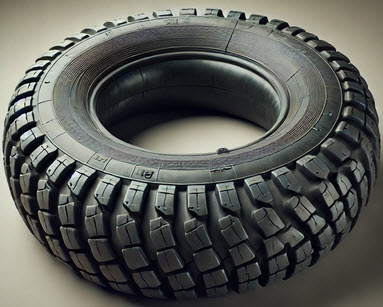
Maintenance and Field Repair
In military operations, the ability to quickly and effectively repair damaged equipment can mean the difference between mission success and failure. Military inner tubes, while durable, are not invulnerable to damage. As such, field repair procedures are an important consideration for military logistics.
- Patch Kits: Military vehicles and aircraft often carry specialized patch kits designed for inner tube repair. These kits typically include rubber patches, adhesive, and tools to clean and prepare the damaged area for repair.
- Rapid Replacement: In many cases, inner tubes can be quickly replaced in the field if damage is too extensive for a patch repair. Military maintenance teams are trained to perform these replacements rapidly to minimize downtime.
- Preventative Measures: Regular maintenance checks are critical for ensuring the longevity of military inner tubes. Checking air pressure, inspecting for wear and tear, and ensuring proper storage when not in use are essential steps in preventing premature failure.
Future Trends in Military Inner Tube Technology
As military technology continues to evolve, so too does the role of inner tubes. While tubeless tires are increasingly prevalent in military vehicles, inner tubes remain an important component in specific applications. Future trends in military inner tube technology may include:
- Advanced Materials: The continued development of new rubber compounds and synthetic materials could lead to inner tubes that are even more resilient to environmental stressors.
- Self-Sealing Technology: Some modern inner tubes are being developed with self-sealing properties, where the tube automatically seals small punctures, reducing the need for immediate repair.
- Integration with Smart Systems: As military vehicles become more integrated with digital and sensor technology, inner tubes may one day be equipped with embedded sensors that monitor air pressure, temperature, and damage in real-time, providing valuable data to vehicle operators.
Conclusion
While often overlooked in discussions of military technology, inner tubes play a vital role in ensuring the mobility, reliability, and effectiveness of military vehicles, aircraft, and equipment. Their design, durability, and ability to perform under extreme conditions make them an indispensable component in military logistics and operations. As the military continues to push the boundaries of what is possible on the battlefield, the humble inner tube remains a crucial, albeit understated, part of the equation. Whether in the scorching heat of the desert or the icy tundra of the Arctic, military inner tubes will continue to support the armed forces in their most critical missions.